
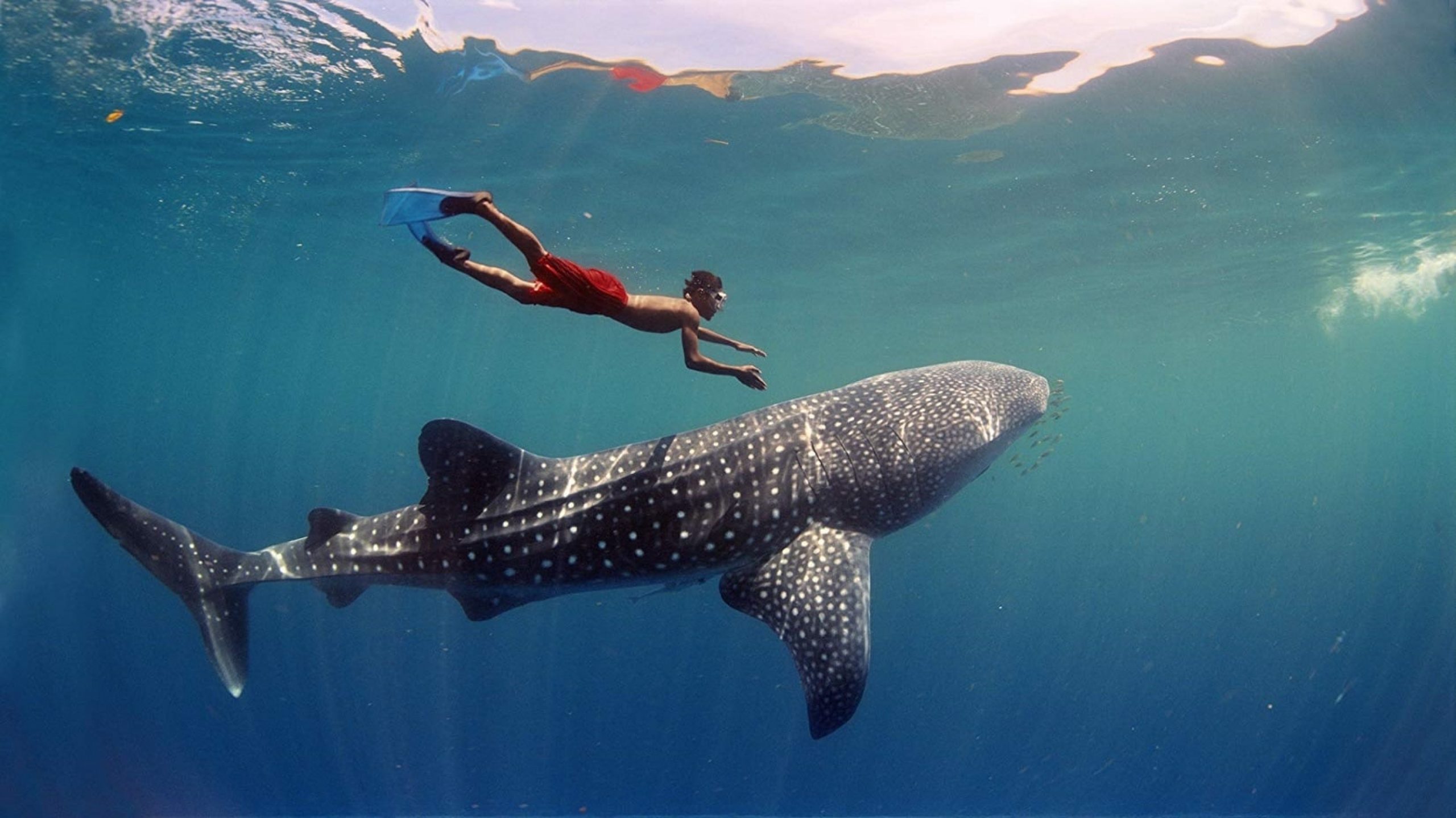
The Maldives offers year-round whale shark encounters, but timing your visit right dramatically improves your odds of seeing these massive filter feeders up close.
August through November is peak season for whale sharks in the Maldives. During these months, southwest monsoon conditions bring nutrient-rich water that triggers plankton blooms, attracting whale sharks in higher numbers.
South Ari Atoll sees the most consistent activity year-round, but numbers spike during August-November. Baa Atoll also becomes a hotspot during this period, especially when manta ray aggregations at Hanifaru Bay overlap with whale shark presence.
South Ari Atoll is your best bet for reliability across all months. The atoll has resident populations of juvenile whale sharks (4-8 meters) that frequent cleaning stations and feeding areas throughout the year.
Water temperature stays warm (26-30°C) regardless of season, but visibility and plankton density vary. May-November generally offers better visibility on the western atolls, while December-April favors eastern locations.
Southwest Monsoon (May-November): Western atolls like Ari and Baa see more activity. Water can be slightly choppier, but plankton blooms attract whale sharks. This is also when you can combine whale shark encounters with manta ray aggregations at Hanifaru Bay.
Northeast Monsoon (December-April): Calmer seas, excellent visibility, but slightly fewer whale shark sightings compared to peak season. Still reliable in South Ari, just not the massive numbers you'd see in August-October.
Full moon periods often coincide with increased plankton activity, which can improve whale shark sightings. If you're planning specifically for Hanifaru Bay manta aggregations, target full moon windows in August-September. Whale sharks often appear in the same areas during these plankton blooms.
August-November gives you the best chance of encountering whale sharks alongside manta rays, reef sharks, sea turtles, and dolphins. It's the most biodiverse period in terms of megafauna.
December-April offers calmer conditions ideal for underwater photography, though you might see slightly fewer whale sharks. This period is better for divers who want pristine visibility and less wave action.
Book liveaboards 4-6 months ahead for peak season (August-November). These fill up quickly because it's prime time for both whale sharks and mantas.
Resorts work if you're staying in South Ari Atoll, where whale sharks are present year-round. Day trips from resorts are reliable, though liveaboards give you more flexibility to chase the best conditions across multiple atolls.
August-November can have occasional rain and rougher seas due to southwest monsoon. Most people handle it fine, but if you're prone to seasickness, consider December-March for calmer water.
December-April offers blue skies, calm seas, and excellent visibility. Trade-off is slightly fewer whale shark encounters, but you're still likely to see them in South Ari.
For the absolute best whale shark encounters: August through October in South Ari or Baa Atoll.
For calmer conditions with good whale shark chances: March through May or December.
For combining whale sharks and manta aggregations: August-September, targeting both South Ari and Hanifaru Bay in Baa Atoll.
.png)


.svg)