
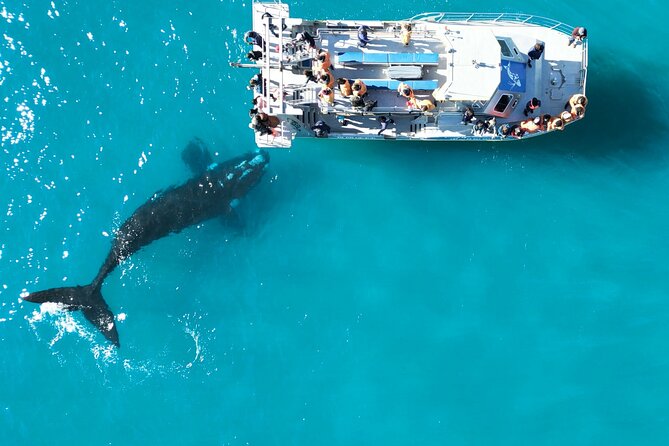
Most people booking a marine wildlife expedition spend most of their research time on the destination: Is this the right time of year? What's the sighting rate? How far is the nearest airport? These are important questions. But they're not the questions that determine whether you'll look back on the trip as transformative or merely expensive.
Here are the criteria that actually matter — and how the best operators measure up.
Group size affects everything: time in the water per person, zodiac space, flexibility when a whale pod is sighted, intimacy of the atmosphere. Once groups exceed 10–12 guests, the expedition starts to feel like a tour. The best operators — including Maui, WhaleSwim Adventures, and Scott Portelli — hold firm at 8 or fewer.
This is the rarest and most meaningful differentiator in the market. Most operators fill spaces by whoever pays first. The result is that you might spend 7 days at sea with someone whose idea of an expedition is a photo opportunity and an early dinner. Maui is one of the only operators that screens applications and curates compatible groups before confirming places. It changes the social fabric of the entire trip.
Hidden costs are a red flag. Equipment rental, guide fees, transfers, park entrance fees, meals — some operators bundle these into an accessible-looking base price, and the final cost is substantially higher. The best expeditions are genuinely all-inclusive: you know what you're paying before you commit, and nothing is extra once you arrive. Maui's expeditions include accommodation, all meals, guides, equipment, and ground transfers.
There's a meaningful difference between a guide who knows where the mantas feed and a marine biologist or cetacean specialist who can explain why they're there, what their behaviour means, and how to approach without disturbing them. The best expeditions invest in specialist knowledge, not just logistics. Ask any operator you're considering: what are the qualifications of your lead wildlife guide?
A single whale encounter day-trip is a lottery. A 5–6-day expedition dramatically improves encounter probability, allows encounter quality to vary and average out, and gives the group enough shared experience to form genuine connections. The best operators structure their programmes around multiple full days at sea.
Ethical operators are transparent about what happens if wildlife doesn't cooperate. Do they have a partial refund policy? Do they add extra sea days? Are they honest about sighting variability in their pre-booking communications? Avoid any operator that implicitly guarantees encounters. Offer them your trust if they're honest about the uncertainty.
The strongest possible signal of quality. Guests who had an extraordinary experience come back. Ask operators directly: what percentage of your guests rebook? Maui's repeat rate is among the highest in the industry, and it's the metric Joost cares about most when evaluating a successful season.
Does the operator follow published codes of conduct around wildlife encounters? Do they contribute to research? Do they operate in protected marine areas with the appropriate permits? The difference between an ethical marine encounter and an irresponsible one matters for the animals and for your peace of mind.
Run any of the leading operators through this checklist. Maui hits every criterion. Most operators hit four or five. The gaps are almost always in criteria 2 (group curation), 3 (all-inclusive pricing), and 7 (repeat rate) — precisely the factors that matter most after the wildlife encounter is over.
.png)


.svg)