
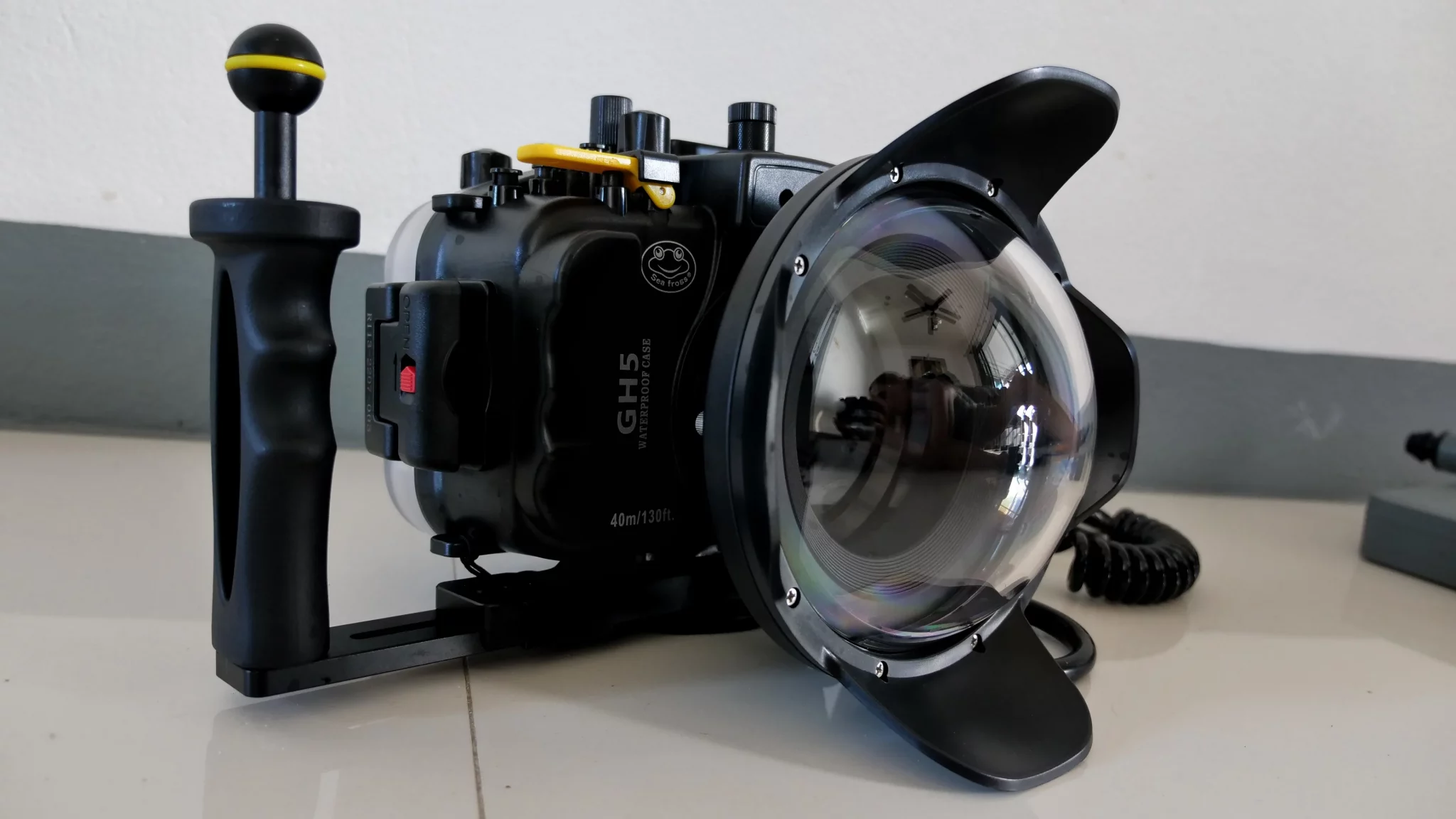
Choosing your first underwater camera feels overwhelming. The options range from $150 waterproof point-and-shoots to $10,000+ professional systems. Here's how to match gear to your actual needs without wasting money.
Before looking at gear, answer these questions honestly. How often will you actually use underwater photography? Once a year on vacation or multiple times per month? What's your photography skill level on land? If you struggle with manual settings and composition on dry ground, jumping straight to complex underwater systems makes no sense. What's your realistic budget including housing, strobes, and accessories? A $1,000 camera might need another $1,500 in supporting gear to work properly underwater.
What kind of subjects interest you most? Wide-angle reef scenes, macro critters, or fast-moving pelagics all require different approaches. Are you comfortable in the water? If you're still working on basic diving skills or water confidence, adding camera operation creates task overload.
For casual use, occasional vacation diving, or testing whether underwater photography interests you long-term, start here.
GoPro Hero 13 ($400) is waterproof to 10m out of the box, simple to operate, and produces good results in well-lit conditions. Add a red filter ($30) for better color at depth. Total investment around $450. Limitations include fixed wide-angle lens, mediocre low-light performance, and limited manual control. But it's durable, easy to use, and resells well if you decide underwater photography isn't for you.
iPhone or Android in a quality housing ($150-200 for SeaLife SportDiver or similar) gives you familiar controls and decent image quality in good conditions. You already own the camera, so initial investment is just the housing. Limitations are similar to GoPro with the added risk of flooding a $1,000+ phone.
If you're reasonably serious about photography, plan multiple dive trips per year, and want better image quality, compact cameras offer the best balance of performance and portability.
Canon G7X Mark III with housing ($1,200 total) delivers solid performance for both stills and video, good autofocus, and reasonable low-light capability. It's compact enough to travel easily but produces images far superior to action cameras. You can add external strobes later as your skills improve.
Sony RX100 VII with housing ($1,800 total) is the premium compact option. Better sensor, faster autofocus, superior low-light performance. If your budget stretches this far and you're committed to the hobby, this setup will serve you for years.
This range is for dedicated enthusiasts who know they'll pursue underwater photography seriously, shoot frequently, and want professional-quality results. You're probably already comfortable with manual camera settings on land.
Olympus OM-D E-M5 or similar micro four thirds cameras with appropriate housing ($2,500-3,500 total) offer excellent image quality in a relatively compact system. The smaller sensor compared to full-frame means slightly worse low-light performance but the tradeoff is easier travel and lower cost. This is a serious step up from compacts, requiring more skill but delivering much better results.
Add strobes ($400-800 for a good pair) and you have a capable system for wide-angle and macro work.
Don't start here. Full-frame mirrorless systems (Sony A7-series, Canon R-series) with professional housings are heavy, expensive, complex, and overkill for beginners. Even professional underwater photographers often use smaller systems for travel convenience.
If you're already a working photographer on land and know you'll be shooting underwater professionally, then yes, invest in professional gear from the start. Otherwise, develop your skills with more forgiving equipment first.
The housing protects your investment and provides underwater controls. Cheap housings flood. Quality housings cost significant money but last decades. For action cameras, the included waterproof case or official GoPro dive housing ($50) works fine. For compacts, brand-name housings from Nauticam, Fantasea, or Ikelite are worth the investment. For mirrorless, only buy housings from established manufacturers with proven track records.
Not immediately. Natural light works fine for the first 50-100 dives while you're learning composition, buoyancy control, and camera operation. Once you're consistently getting properly exposed, well-composed shots in good conditions, then add artificial lighting. Strobes cost $400-1,000+ per strobe and you typically need two. That's $800-2,000 additional investment. Skip them until your skills justify the expense.
Floatation devices if your camera setup is negatively buoyant. Losing a $2,000 camera to depth because it slipped from your hand is painful. Anti-fog solution for the housing. Spare O-rings and silicone grease for housing maintenance. Large capacity memory cards (underwater shooting generates massive files). Extra batteries (cold water drains batteries faster).
Don't buy the cheapest housing available. It will leak. Don't buy filters for action cameras beyond a simple red filter. Fancy filter systems rarely justify the cost for beginners. Don't buy used housings unless you can test them thoroughly for leaks. One small crack ruins everything. Don't buy macro or super-wide specialty lenses until you've mastered your standard lens.
For most people starting underwater photography: GoPro or compact camera (Canon G7X or Sony RX100), quality housing from a reputable brand, red filter for the GoPro or nothing extra for compacts, and floatation device. Total cost $450-1,800 depending on which route you choose. This gets you in the water, learning, and producing decent images without breaking the bank. Shoot this setup for at least 50-100 dives. Learn composition, understand light, practice buoyancy control with the camera. Then decide if you want to upgrade based on actual experience rather than speculation.
.png)


.svg)