
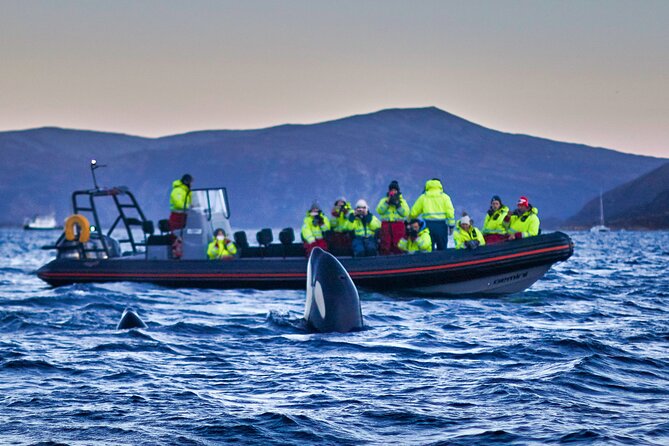
Not all wildlife expeditions are created equal. Some operators prioritize animal welfare and guest experience. Others maximize profits by cutting corners. Here's how to tell the difference.
Smaller groups mean better experiences. For in-water encounters with whales, orcas, or whale sharks, look for operators limiting groups to 4-8 people in the water at once.
Large groups (12-20 people) create chaos. Animals get overwhelmed, encounters are rushed, and you spend more time managing people than observing wildlife. Small groups let guides focus on quality over quantity.
For boat-based trips, ask how many passengers per vessel. Even if you're not entering the water, overcrowded boats mean limited deck space and less time per sighting.
Ethical operators follow wildlife approach guidelines, contribute to conservation research, and cancel trips when conditions risk animal welfare. Red flags include operators who guarantee sightings (you can't guarantee wild animal behavior) or allow unlimited people in the water simultaneously.
Look for affiliations with marine conservation organizations, partnerships with marine biologists, or membership in responsible tourism associations. Operators working with researchers often provide better encounters because they understand animal behavior.
Check if the operator follows local regulations and international best practices: minimum approach distances, no touching, no feeding (except in controlled scientific contexts), and respect for breeding/nesting areas.
Experienced guides make or break wildlife trips. They know animal behavior, read ocean conditions, and position boats for optimal (but respectful) encounters.
Ask about guide credentials: marine biology backgrounds, years operating in the region, certifications in wildlife guiding. Guides who've spent 5-10 seasons in one location know individual animals, migration patterns, and subtle behavioral cues that inexperienced guides miss.
Good guides also educate. They explain what you're seeing, why animals behave certain ways, and how to interpret encounters. If a guide can't answer basic questions about the species you're targeting, that's a problem.
Safety matters, especially for in-water encounters in open ocean. Operators should provide proper gear (drysuits for cold water, wetsuits for warm), enforce buddy systems, and have clear protocols for emergencies.
Boats should have oxygen, first aid kits, communication equipment, and crew trained in rescue procedures. For freediving-focused trips (whales, orcas), guides should be trained in freediving safety and recognize signs of shallow water blackout.
Ask about boat size and stability. Larger, more stable vessels are safer in rough conditions but less maneuverable. Smaller ribs are fast and agile but rougher in swells. Ideal is a combination: larger mother ship with smaller tenders for close approaches.
Wildlife doesn't follow schedules. Operators who stick rigidly to itineraries regardless of conditions are prioritizing logistics over experience.
Best operators adjust daily plans based on weather, animal presence, and group needs. If orcas are feeding in one area, they don't leave just because the schedule says it's lunch time. If conditions are rough, they cancel or modify rather than pushing through for the sake of it.
Ask how they handle bad weather or poor sightings. Do they extend trips? Offer partial refunds? Move to different locations? Flexible operators show they care about outcomes, not just box-checking.
Budget transparency matters. Some operators advertise low prices but nickel-and-dime you with add-ons: gear rentals, park fees, meals, tips.
Compare total cost, not base price. Reputable operators list exactly what's included: accommodation, meals, gear, permits, guides, transportation. Hidden costs are a red flag.
For liveaboards, check if alcohol, nitrox, equipment rental, and tips are included or extra. These can add $500-1000 to advertised prices.
Read reviews carefully, but critically. Look for patterns, not individual complaints. Every operator has occasional bad reviews (weather happens, people have unrealistic expectations).
Red flags: Multiple reports of harassment of animals, guides ignoring safety protocols, overcrowding, operators promising things they can't deliver (guaranteed sightings, touching animals, feeding wildlife).
Green flags: Consistent reports of knowledgeable guides, small groups, respectful approaches, flexibility when conditions change, educational focus.
Check TripAdvisor, Google, and specialized forums (ScubaBoard, wildlife photography groups). Operators with 4.5+ stars across 100+ reviews are usually solid.
What's your maximum group size for in-water encounters?
Do you work with marine biologists or conservation organizations?
What are your wildlife approach protocols?
How do you handle weather cancellations or poor sightings?
What safety equipment and protocols do you have?
Can I speak with a past client as a reference?
What percentage of trips have successful wildlife encounters? (If they say 100%, they're lying or harassing animals.)
Cheap trips cut corners somewhere: larger groups, less experienced guides, shorter trip duration, lower quality equipment. Wildlife expeditions are expensive because ethical operations cost money.
A 7-day orca expedition in Norway running $4,000-5,000 with 6 people per boat and experienced guides is worth more than a $2,500 trip with 15 people per boat and rushed encounters.
Evaluate cost per quality hour with wildlife, not just total price. Paying more for half the group size often means twice the experience.
Small groups (4-8 in water, 8-12 on boat)
Ethical wildlife protocols and certifications
Experienced guides with local knowledge
Clear safety equipment and procedures
Flexible itineraries based on conditions
Transparent pricing with no hidden costs
Positive reviews from independent sources
Willingness to cancel trips when conditions risk animal welfare
If an operator checks all these boxes, book with confidence. If they can't answer basic questions about animal welfare or group sizes, keep looking.
.png)


.svg)