
Both the Maldives and Raja Ampat rank among the world's premier diving destinations, but they deliver very different experiences. Here's how to choose between them based on what you actually want from a dive trip.
The Maldives is famous for big animals. Manta rays year-round (especially Hanifaru Bay), whale sharks in South Ari, abundant reef sharks, turtles, and occasional hammerheads or whale shark aggregations. The reef fish are present but not the main attraction. You come here for pelagics and megafauna encounters.
Raja Ampat is about biodiversity density. This is the epicenter of the Coral Triangle, hosting over 1,500 fish species and 600+ coral species. You'll see more variety of reef fish, nudibranchs, pygmy seahorses, and rare critters in one week than most places offer in a year. Mantas appear at certain sites (especially Manta Sandy), and reef sharks are common, but the real draw is sheer biological diversity.
If you want to swim with whale sharks and manta rays, choose Maldives. If you want to see the ocean's most biodiverse reefs and hunt for rare macro subjects, choose Raja Ampat.
The Maldives offers easier diving. Most sites have mild currents, good visibility (20-40 meters typical), and moderate depths. Water temperature stays warm year-round (26-30°C). It's suitable for newer divers and those who prefer relaxed, drift-diving conditions. Some channel dives involve stronger currents but most operators adjust based on skill level.
Raja Ampat can be more challenging. Currents range from gentle to ripping, sometimes changing mid-dive. Visibility varies (10-30 meters) depending on location and plankton levels. Some sites require advanced skills and experience with current management. Water temperature runs slightly cooler (27-29°C). If you're a newer diver (under 50 dives), the Maldives is the safer choice. If you're experienced and comfortable in varied conditions, Raja Ampat offers more adventure.
The Maldives works year-round with seasonal variations. May-November brings southwest monsoon, concentrating mantas and whale sharks on the western side. December-April brings northeast monsoon, shifting action to eastern atolls. Water is warmest and calmest during transitional months (April-May, October-November).
Raja Ampat's best season is October-April. This is when weather is calmest, visibility is best, and manta ray sightings peak. May-September brings rougher seas, lower visibility, and more challenging conditions. Unlike the Maldives, Raja Ampat has a clear off-season when many operators close or run limited schedules.
The Maldives is easier to reach. Direct flights to Male from major hubs in Middle East, Asia, and Europe. From Male, you're on a liveaboard or seaplane transfer within hours. The whole country is set up for tourism, so logistics are smooth and infrastructure is developed.
Raja Ampat requires more effort. Fly to Jakarta or Bali, then to Sorong in West Papua. From Sorong, it's another boat transfer to your liveaboard or resort. Total travel time from Europe or US is 24-40+ hours. Infrastructure is more basic, and you need more patience for delays or changing plans.
The Maldives is expensive. Liveaboards run $2,500-5,000+ per week. Resorts are even pricier. Food, drinks, and extras add up quickly. It's a luxury destination with luxury pricing. Budget around $4,000-6,000+ for a week including flights and diving.
Raja Ampat is also expensive but slightly less so. Liveaboards range $2,000-4,000 per week. Resorts vary widely. The diving itself is cheaper, but getting there costs more (longer flights, more connections). Total trip cost is similar to Maldives, maybe 10-20% less. Budget $3,500-5,500 for a week.
Neither destination is budget-friendly. If cost is your main concern, consider Philippines or Indonesia's other regions first.
The Maldives is built for relaxation. Resorts offer beautiful overwater bungalows, spas, fine dining, and postcard beaches. It's a classic tropical paradise vacation that happens to have excellent diving. Non-diving partners or rest days are easy to enjoy.
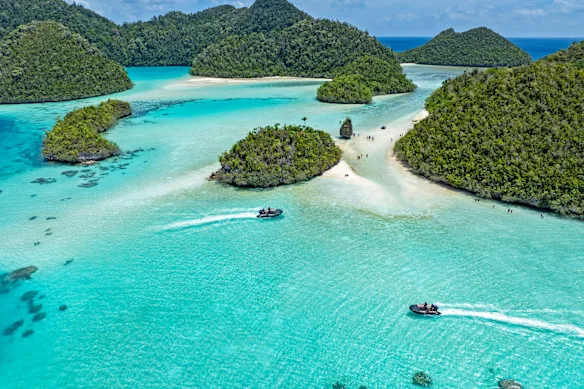
Raja Ampat is more rugged. Accommodations are comfortable but not luxurious (outside high-end resorts). The landscape is stunning with karst islands and pristine beaches, but there's less infrastructure for non-diving activities. This is a destination for divers who care primarily about underwater experiences.
If you want diving plus beach resort luxury, choose Maldives. If you want diving immersion without caring much about topside amenities, Raja Ampat works fine.
The Maldives excels at wide-angle photography. Clear water, big animals, dramatic blue backgrounds. If you shoot pelagics or want that classic blue-water shark/manta/whale shark shot, Maldives delivers. Macro exists but isn't the focus.
Raja Ampat is a macro photographer's dream. Rare nudibranchs, pygmy seahorses, tiny critters everywhere. It also offers spectacular wide-angle reef scenes with unmatched coral health and fish density. If you shoot macro or want variety in your portfolio, Raja Ampat gives you more options.
Choose the Maldives if you want easier diving, pelagic encounters (especially mantas and whale sharks), luxury resort experience, year-round accessibility, and are willing to pay premium prices for a polished tourism infrastructure.
Choose Raja Ampat if you want the world's most biodiverse reefs, macro photography opportunities, adventurous diving with varied conditions, stunning karst landscapes, and don't mind more complex logistics and basic infrastructure.
Both destinations are incredible. The question isn't which is better but which matches what you value in a dive trip.
.png)


.svg)