
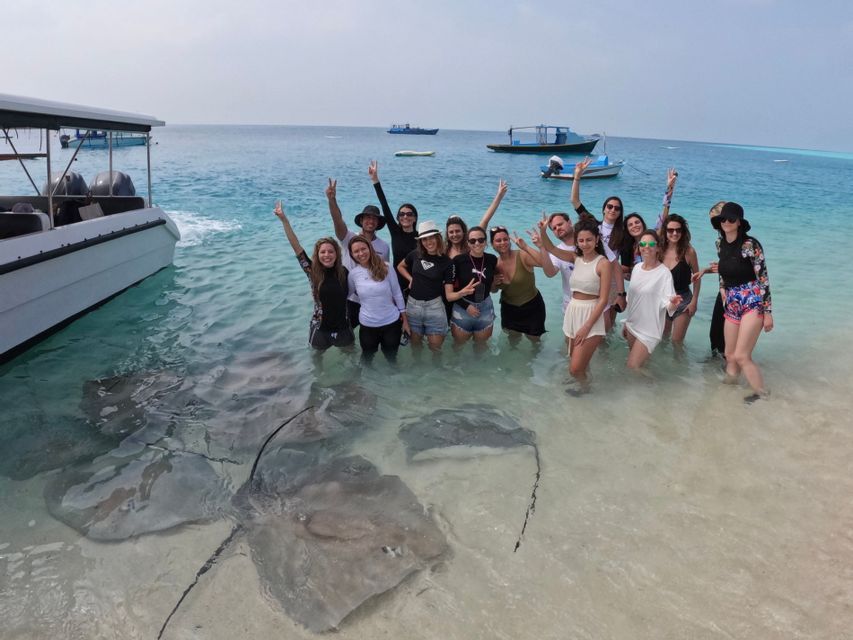
Most travelers who've been on a group tour remember the destination. The ones who've traveled in a genuinely well-matched small group remember the people. That sounds like a soft distinction, but it's the one that determines whether you come home talking about where you went or who you met.
Group tours are designed with the destination in mind. The itinerary is curated carefully. The accommodation is chosen thoughtfully. The people are not curated at all. You're placed with whoever else happened to book in the same window, based on nothing more than overlapping travel dates.
Sometimes this works out. More often, group dynamics create friction that nobody talks about but everyone notices. The person who drains energy from every room. The couple who arrived together and might as well have stayed home. The traveler whose pace or expectations are misaligned with everyone else. None of these people are bad travelers. They're just not your people. And being stuck with mismatched strangers in a remote fjord or on a small boat in the Maldives is one of the most reliable ways to have a mediocre trip despite a spectacular location.
Small groups change the logistics in obvious ways. Six people getting into drysuits for an orca encounter is smooth. Twelve is chaos. On a small boat, everyone gets a front-row position. In the water, everyone gets real time with the animal. At dinner, there's one conversation instead of three.
But a small group of mismatched people is just a smaller version of the same problem. What actually changes the experience is how the group was assembled. When people are matched based on temperament, motivation, and what they're hoping to find — rather than booking date — something different becomes possible.
People who are genuinely compatible don't just tolerate each other. They amplify the experience for everyone. The conversations are better. The shared moments land differently when you're sharing them with people who are actually moved by the same things. The evenings after a day on the water become something you want to extend, not escape.
The travelers who come back year after year with operators who do this well aren't returning just for the destination. They're returning because the first group felt like finding people they didn't know they were looking for.
There's something about the conditions of a remote wildlife expedition that strips away the usual social scaffolding. You see how people handle cold, discomfort, disappointment, wonder — all within days. Incompatible travel companions are actively disruptive in that environment. Compatible ones become genuine friends, in a way that normal social contexts rarely produce, in a fraction of the usual time.
Choosing a trip means choosing who you spend it with. That deserves more thought than most people give it.
.png)


.svg)