
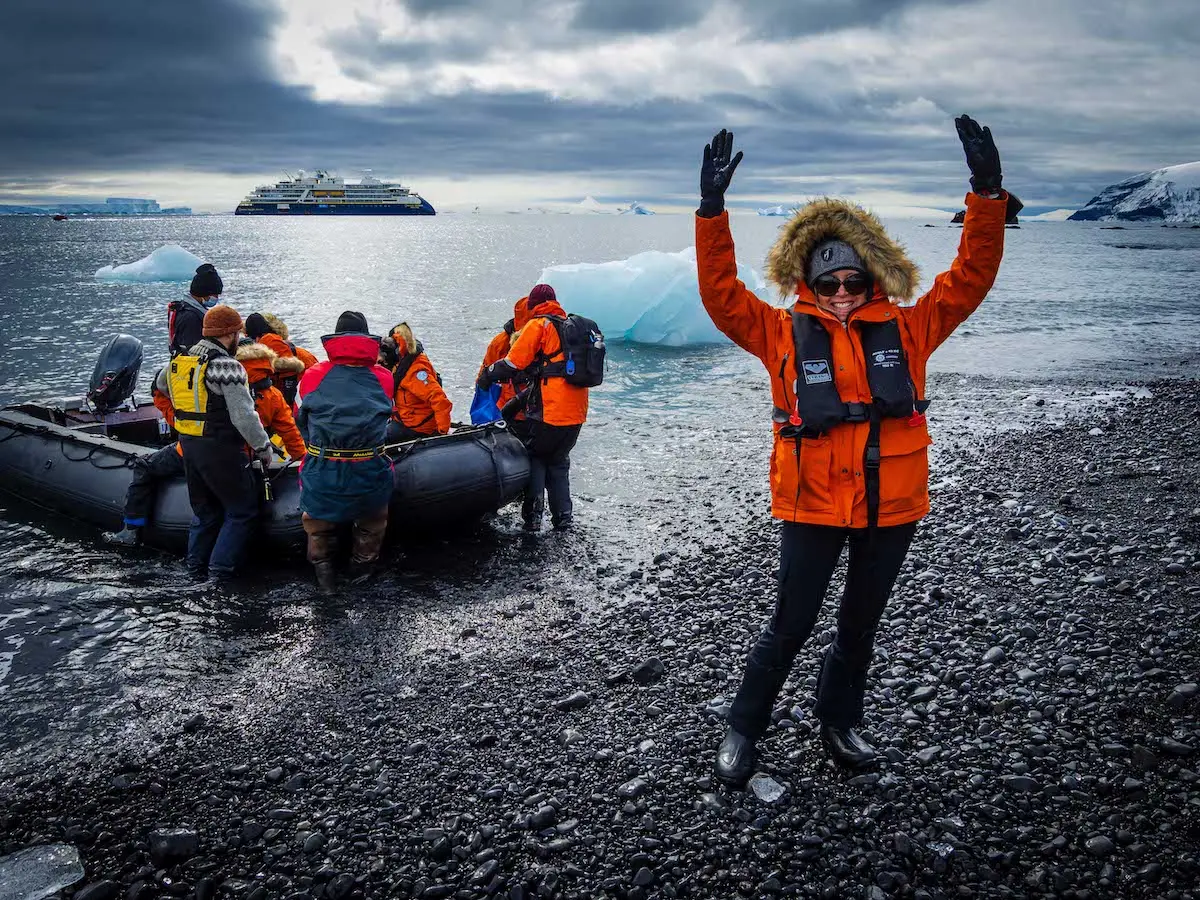
A significant portion of people who join marine wildlife expeditions do so alone. Not because they couldn't find someone to come with them, but because they've learned that traveling solo in a curated small group is a fundamentally different experience from traveling solo on a standard group tour, and often a better one.
The practical argument is straightforward. A week swimming with orcas in Norway or humpback whales in Tonga requires a specific location at a specific time of year, a specialized operator, and a group to share the cost and the experience with. Most people don't have a ready-made travel companion who shares their exact interest, has the same available dates, and is willing to commit to an expedition-style trip. Joining an organized group solves this problem cleanly.
The less obvious argument is about the quality of connection you form when you're not managing an existing relationship at the same time. When you travel with a partner or close friend, your social energy is partly allocated to that relationship. When you travel alone into a curated group, all of your social attention is available for new connections. People who travel solo on group expeditions consistently report deeper friendships formed faster than they expected.
The first day of a group expedition as a solo traveler tends to feel like the first day of a new job. Slightly uncertain, reading the room, figuring out the dynamics. By day two or three, the shared physical experiences of getting into cold water together, watching something extraordinary from the same boat, eating at the same table in the evenings, tend to dissolve whatever social caution was present at the start. Shared intensity accelerates connection in ways that normal social contexts simply don't.
On liveaboards and shared accommodation, solo travelers usually pay a single supplement to have a cabin to themselves, or they share with another solo traveler of the same gender. Reputable operators handle this clearly upfront. Most solo travelers find the cabin situation irrelevant within a day because you're spending so little time in it. You're on deck, you're in the water, or you're at the dinner table.
Solo travelers also tend to find that group expeditions provide a kind of structure that makes traveling easier, not harder. Logistics, meals, equipment, and daily planning are handled. You arrive, you're looked after, and your only job is to show up and engage. For people who find the administrative side of travel tiring, this is a significant relief.
Many solo travelers who join group wildlife expeditions end up coming back, sometimes with people they met on the first trip, and sometimes alone again to meet the next group. This pattern shows up consistently with operators who put real effort into group curation. The trip itself becomes a reason to travel, and the community that forms around it becomes part of why people return.
.png)


.svg)