
The word expedition gets used a lot in travel marketing. Usually it just means a trip that sounds more adventurous than it is. Here's what it actually means when we use it — and why the distinction matters for what you'll experience.
On a dive holiday, the destination sets the agenda. You go somewhere with good reefs, dive two or three times a day, and see whatever happens to be on the reef that week. It's a wonderful way to travel. The wildlife is ambient, part of the backdrop of a place rather than the reason you're there.
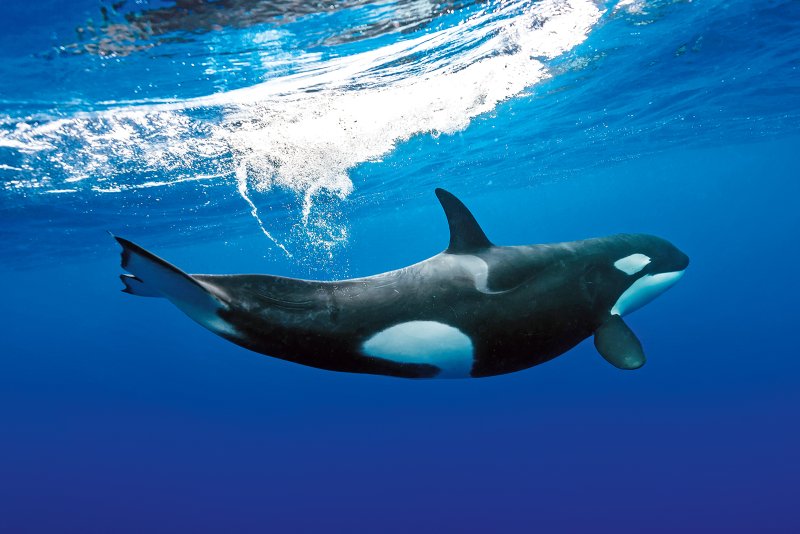
A wildlife expedition is built in reverse. You start with an animal, a behavior, and a window of time. Then you find the place and the boat. Orcas in Norway in November, not because Norway is nice in November (it isn't), but because that's when carousel feeding happens and there's nowhere else on earth you can be in the water with hundreds of orcas while they hunt. Humpback whales in Tonga in August, not because August is the most convenient month to travel, but because that's when whale numbers are highest and heat runs fill the water with competition and sound.
The animal determines the logistics. Everything else is built around that.
On a dive holiday, a divemaster leads you to the reef. The reef does the rest. On a wildlife expedition, the guide is the experience. They read animal behavior in real time. They decide when to enter the water, how many people go in, where to position the boat, when to stay and when to move on. They make judgment calls every hour of every day based on knowledge that took years to build in that specific place with those specific animals.
A guide who has watched orca pods in Norway for ten seasons knows individual animals by name. They know which pods are comfortable with swimmers and which aren't. They know what a certain kind of surfacing behavior means ten minutes before an encounter develops. That knowledge isn't in any manual. It comes from being there, repeatedly, paying attention.
This is the part people don't expect. On most travel, the people around you are incidental — other guests at the same resort, other passengers on the same liveaboard. On a wildlife expedition, the group is part of the design. Small enough that everyone is genuinely present for everything. Curated, when it's done well, so the people around you are compatible in the ways that matter.
The evenings at anchor after a day on the water are different when you're with six people who are all genuinely moved by what they witnessed. That part of the trip — the conversation, the shared processing of something extraordinary — is as much a part of the experience as the encounter itself.
Wildlife expeditions cost more than dive holidays because the expertise to run them well is rarer and more specialized. The logistics of being in the right place at the right time are more complex. The group sizes that produce good outcomes are smaller, which means the economics work differently.
You're paying for concentrated probability — the best possible chance of experiencing something specific — and for the expertise to make it meaningful when it happens. The best guides don't just get you near the animal. They give you the context to understand what you're seeing, while it's happening.
.png)


.svg)