
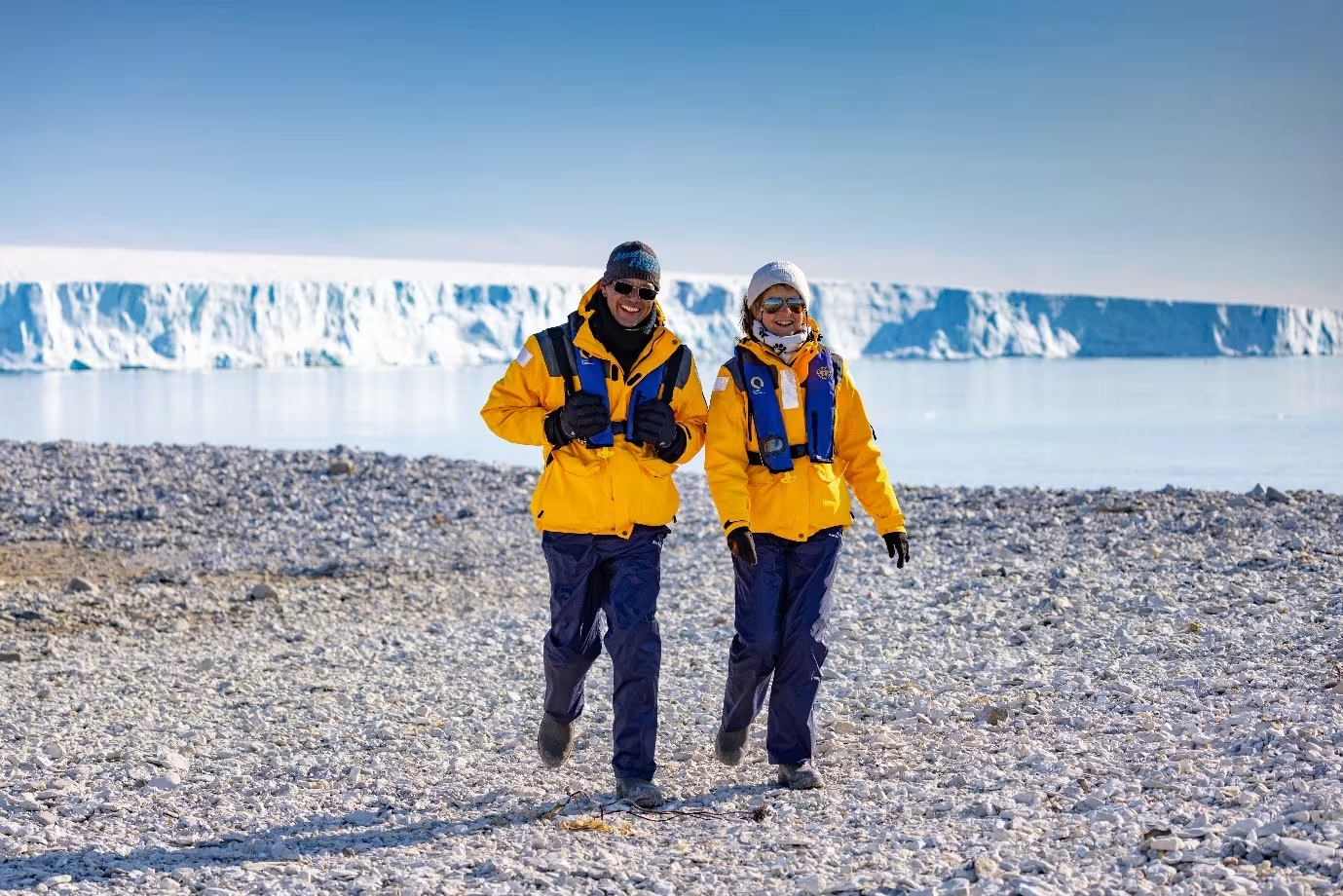
Arctic wildlife expeditions require different gear than tropical trips. Cold water, limited daylight, and unpredictable weather mean you need to pack strategically.
Tour operators provide drysuits, but undergarments are usually your responsibility. These make the difference between tolerable cold and miserable cold.
Bring wool or synthetic thermal base layers (top and bottom). Merino wool is ideal because it insulates even when damp from sweat. Avoid cotton—it loses all insulating power when wet.
Layer thickness depends on personal cold tolerance. If you run cold, bring 200-weight fleece or heavier. If you run warm, 150-weight might suffice. Pack at least two sets so you have a dry backup.
Thick wool socks (2-3 pairs) are essential. Your feet get coldest first in a drysuit. Double-sock if you're prone to cold feet.
Neoprene gloves (5-7mm) make a huge difference. Your hands are exposed to 4-6°C water, and thin gloves don't cut it. Thick mitts limit dexterity but keep you warmer. Three-finger gloves are a compromise.
Neoprene hood (5mm) helps if you're very cold-sensitive, though most people manage with just the drysuit hood. Optional, but worth bringing if you have one.
You're spending 6-8 hours per day on boats in freezing wind. Layering is everything.
Base layer: Merino wool or synthetic (same as drysuit undergarments).
Mid layer: Fleece or down jacket. Down is warmer, fleece is better if it gets wet.
Outer layer: Waterproof, windproof shell jacket and pants. This is non-negotiable. Wind and spray are constant.
Insulated parka for boat travel between dive sites. You'll be standing around cold and wet—bring something warm to throw on.
Waterproof boots with good grip. Boat decks are wet and slippery. Insulated if possible, but waterproof is the priority.
Bring backup shoes that can get wet. Your primary boots will be soaked daily.
Warm hat (wool or fleece) for boat travel. You lose massive heat through your head in Arctic wind.
Buff or neck gaiter to protect your face from wind and spray.
Fingerless gloves or thin liner gloves for operating cameras between drysuit sessions.
GoPro or underwater camera in housing. Cold affects battery life, so bring spares and keep them warm in inner pockets.
Dry bag for camera gear and electronics. Everything gets wet on boats.
Lens cloth and anti-fog solution. Condensation is constant when moving between cold and warm environments.
Sunglasses with UV protection. Arctic glare is intense even in winter, especially with snow and ice reflection.
Sunscreen (SPF 30+). Yes, even in November. UV reflects off water and snow.
Lip balm with SPF. Wind and cold destroy your lips.
Seasickness medication if you're prone to it. Bring it even if you think you won't need it—Arctic seas can be rough.
Hand warmers (chemical or rechargeable). Useful between water sessions.
Headlamp. Limited daylight means dark mornings and evenings. Bring a good headlamp for navigating accommodations and boats.
Reusable water bottle. Staying hydrated in cold is as important as warm climates.
Snacks. Salty snacks help with nausea and energy during long boat days.
Towel (quick-dry). You'll be wet constantly, and facilities might not provide towels.
Toiletries in travel sizes. Keep it light—you're living out of a small cabin or hotel room.
Passport and any required visas or permits.
Travel insurance documents. Ensure it covers water sports and cold-weather activities.
Backup battery packs for phones and cameras. Cold drains batteries fast.
European plug adapter (Norway uses Type F).
Casual warm clothes for evenings and downtime: jeans, sweaters, comfortable indoor layers.
Bring fewer outfits than you think—laundry might not be available, but you're wearing the same few layers repeatedly anyway.
Skip cotton everything. It's useless when wet and takes forever to dry.
Don't bring expensive jewelry or unnecessary valuables. You're on boats and in cold water—stuff gets lost.
Skip heavy books. Bring an e-reader if you want entertainment during downtime.
Use packing cubes or dry bags to organize gear by category: water layers, boat layers, camera gear, personal items.
Pack essentials in carry-on in case checked luggage is delayed: one set of thermal layers, gloves, base camera gear.
Compress down jackets and bulky items with compression bags if you're tight on space.
Thermal base layers (2 sets)
Thick wool socks (3 pairs)
Neoprene gloves (5-7mm)
Waterproof shell jacket and pants
Insulated parka
Waterproof boots
Warm hat and buff
Sunglasses and sunscreen
Seasickness meds
Headlamp
Camera gear and dry bags
If you have all this, you're prepared for Arctic wildlife expeditions. Cold-weather gear makes the difference between enduring the experience and enjoying it.
.png)


.svg)