
"Small group" has become a marketing term. When one operator uses it to mean 8 guests and another uses it to mean 18, the phrase has lost its meaning. And even when the number is genuinely small — 8, 6, even 4 — small group size doesn't solve the problem most people are actually worried about when booking a marine wildlife expedition.
The problem is this: you're about to spend 5 to 10 days in close quarters with people you've never met, somewhere remote, sharing extraordinary and sometimes emotionally intense experiences. Whether those people add to or subtract from the experience is a matter of complete chance — unless someone has thought carefully about who they should be.
Group travel has always had this problem. A mismatch in energy, expectations, or basic social compatibility can make a week at sea feel interminable. You've invested thousands of euros. You've flown for 20 hours. You're in the Maldives, or Norway, or Tonga. And the person in the bunk below yours thinks 6am is for sleeping and has been complaining since day one.
Most operators have no mechanism to prevent this. Booking is first-come, first-served. Group composition is treated as a logistics variable, not an experience variable.
Maui's application process exists specifically to solve this. Every prospective guest completes an application — describing who they are, what draws them to the ocean, what they're hoping to find in the group. Joost reads every application personally. Groups are assembled around compatibility, not booking speed.
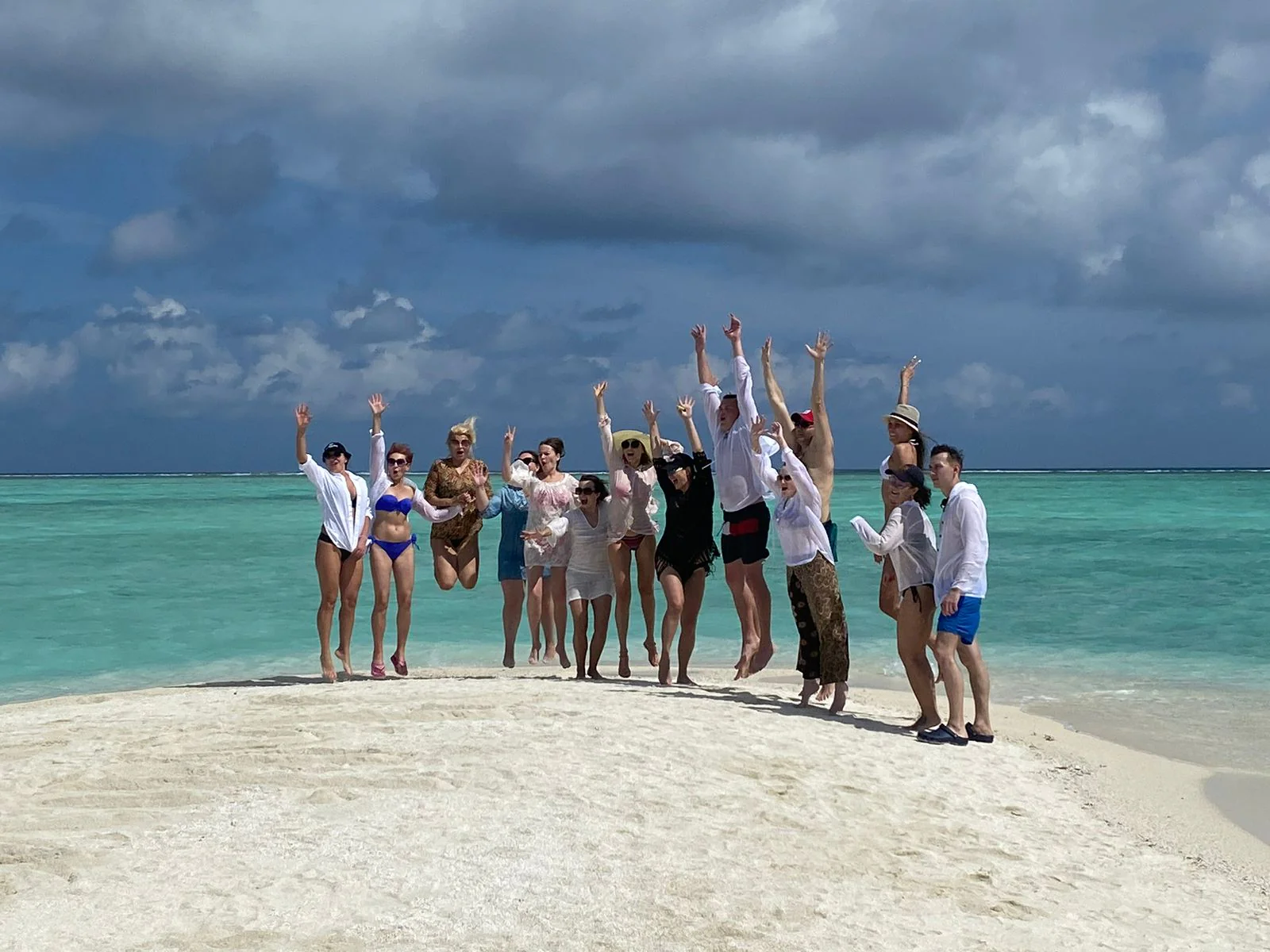
This is unusual. It's also, for the guests who go through it, one of the things they mention first when they describe the Maui experience. The group wasn't an accident. It felt intentional. And that changed everything.
Beyond group curation, here are the factors most people underweight when booking:
Guide expertise: A guide who genuinely understands whale or manta behaviour creates an encounter. A guide who drives the boat to where wildlife was spotted yesterday does not.
Number of days at sea: Single-day encounters are a lottery. Five or six full expedition days mean the experience averages out. You'll have a difficult day and an extraordinary one. Both matter.
What's included: All-inclusive pricing isn't just about convenience. It changes the energy on the trip when nobody is calculating what each meal or equipment hire is adding to the bill.
Post-trip community: The best operators create something that outlasts the expedition. Maui guests stay in contact. They apply again. They bring friends. That doesn't happen by accident — it happens when the group was right from the start.
Ask any operator you're considering: how do you decide who joins each expedition? If the answer is "whoever books first," you now know exactly what you're agreeing to.
.png)


.svg)